
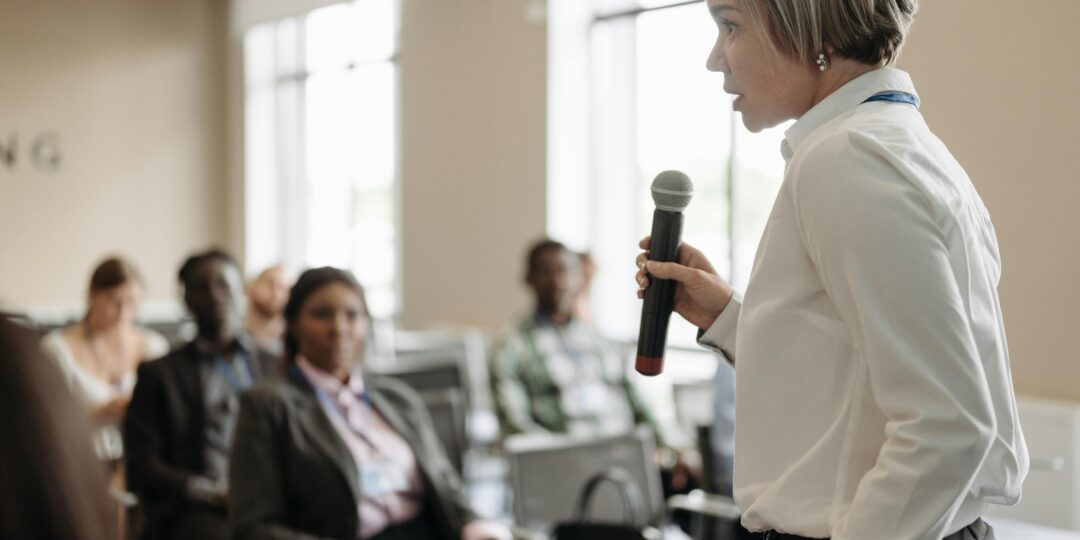
Seminars have long been recognized as valuable spaces for learning, professional development, and the exchange of ideas. Whether they take place in a conference center, classroom, office, or virtual environment, seminars bring people together around a shared topic or purpose. Yet the true value of a seminar often extends far beyond the presentations, slides, and scheduled discussions. Some of the most meaningful outcomes happen during casual conversations between sessions, introductions over coffee, group activities, and follow-up messages after the event has ended.
This is where seminar synergy comes into play. Seminar synergy is the ability to transform ordinary conversations into meaningful and lasting connections. It occurs when participants move beyond simply exchanging names and business cards and begin sharing ideas, experiences, opportunities, and perspectives. When approached with intention, a seminar can become more than a learning event—it can become a powerful environment for building relationships that support personal and professional growth.
The Power of Conversation
Every connection begins with a conversation. At a seminar, people often have something in common before they even introduce themselves. They may work in the same industry, face similar challenges, share professional goals, or simply have an interest in the topic being discussed. This common ground makes seminars ideal places for starting conversations.
However, meaningful networking is not about approaching as many people as possible. It is about creating genuine exchanges. Asking thoughtful questions, listening carefully, and responding with curiosity can turn a brief introduction into a memorable interaction.
For example, instead of simply asking, “What do you do?” participants can explore deeper questions such as:
- What brought you to this seminar?
- What has been the most useful idea you have heard so far?
- What challenges are you currently working through?
- How does this topic connect with your work or goals?
- What trends are you seeing in your field?
Questions like these encourage people to share experiences rather than simply provide job titles. As the conversation develops, participants may discover unexpected similarities or opportunities to learn from one another.
The best conversations are not one-sided. Effective communication requires both speaking and listening. When people feel genuinely heard, they are more likely to remember the interaction and remain open to future communication.
Moving Beyond Traditional Networking
Traditional networking sometimes has a transactional reputation. People may attend an event with the goal of collecting business cards, finding clients, or promoting their own services. While professional opportunities can certainly emerge from networking, relationships are stronger when they are built on authenticity rather than immediate personal gain.
Seminar synergy encourages a different approach. Instead of asking, “What can this person do for me?” participants can consider, “What can we learn from each other?” or “Is there a way I can offer something useful?”
This shift can dramatically improve the quality of interactions. A connection may begin with a conversation about a seminar topic and eventually lead to collaboration, mentorship, a business opportunity, or a long-term friendship. The outcome does not need to be immediately obvious.
Sometimes the most valuable connection is simply someone who introduces a new way of thinking.
People attending seminars come from different backgrounds and bring unique experiences with them. A marketing professional may approach a challenge differently than an entrepreneur. A student may ask a question that an experienced executive has not considered. By engaging with people outside familiar circles, participants can gain perspectives that expand their understanding of a topic.
Creating Meaningful Connections During the Event
Building connections requires intention. Waiting for someone else to start a conversation can mean missing valuable opportunities. Fortunately, taking the first step does not require an elaborate introduction.
A simple comment about the presentation or seminar environment can open the door. For instance, saying, “I found that speaker’s point about customer engagement really interesting. What did you think?” can naturally begin a discussion.
Group activities are another excellent opportunity to connect. Instead of focusing only on completing the assigned task, participants can pay attention to how others think and communicate. These interactions can reveal shared interests and complementary skills.
Breaks are equally important. Coffee lines, lunch tables, and informal gatherings often create the relaxed atmosphere needed for more personal conversations. Rather than immediately checking a phone or returning to email, participants can use these moments to introduce themselves to someone new.
It can also be helpful to set a simple goal for the event. Instead of trying to meet everyone in the room, a participant might aim to have three meaningful conversations. This approach reduces pressure while encouraging more thoughtful interaction.
Quality connections are often more valuable than a large collection of names and contacts.
The Importance of Active Listening
One of the most underrated networking skills is active listening. Many people focus heavily on preparing what they will say next, particularly when meeting someone they hope to impress. However, strong connections are usually built by demonstrating genuine interest in the other person.
Active listening involves giving attention to the speaker, asking relevant follow-up questions, and remembering important details. If someone mentions a project they are excited about or a challenge they are facing, acknowledging that information can show that the conversation mattered.
For example, instead of quickly shifting the conversation back to personal accomplishments, a participant might ask, “What inspired you to start that project?” or “How are you approaching that challenge?”
These questions create space for a deeper exchange.
Listening also helps identify opportunities for collaboration. A person may mention needing a particular skill, resource, or connection that another participant can provide. These moments often lead to the most valuable forms of seminar synergy.
Turning Shared Ideas into Opportunities
The exchange of ideas is one of the greatest benefits of attending a seminar. A presentation may introduce a new concept, but conversations allow participants to explore how that concept applies to real situations.
Imagine two attendees discussing a presentation on artificial intelligence, leadership, sustainability, or customer experience. One may describe how the idea is being used in their organization, while the other may explain a challenge they are facing. Through conversation, both individuals can gain practical insights that neither would have discovered by simply listening to the speaker.
This process can lead to collaboration.
Connections formed at seminars may result in joint projects, partnerships, referrals, interviews, research opportunities, or mentorship relationships. Even when no formal collaboration develops, exchanging ideas can inspire future decisions and creative solutions.
The key is to remain open-minded. Not every useful connection will come from someone with an impressive title or an obvious professional advantage. Valuable insight can come from anyone in the room.
Following Up After the Seminar
A conversation should not necessarily end when the seminar does. Following up is what transforms a brief meeting into a continuing connection.
A simple message can be enough. Mentioning something specific from the conversation makes the communication feel personal and demonstrates that the interaction was meaningful. For example, a participant might send a message saying that they enjoyed discussing a particular seminar topic and would like to continue the conversation.
Timing also matters. Following up within a few days helps keep the interaction fresh.
However, effective follow-up should not feel forced or overly promotional. Rather than immediately trying to sell a product or request a major commitment, focus on continuing the relationship. Share a useful article, send information related to the discussion, or simply ask how a project is progressing.
Social and professional networking platforms can also make it easier to stay connected. The goal is not merely to add another name to a contact list but to maintain a relationship through occasional, meaningful communication.
Building a Community, Not Just a Contact List
The strongest seminar connections can eventually contribute to something larger: a community. When people continue sharing knowledge, supporting one another, and exchanging opportunities, the value of the seminar extends far beyond the event itself.
Communities can develop around industries, professional interests, creative pursuits, or shared goals. A group of people who initially met at a seminar may later create regular discussions, collaborative projects, online groups, or future events.
This ongoing interaction creates a cycle of learning and connection. One conversation leads to another, and one introduction may lead to an entirely new network.
In this way, the real success of a seminar cannot always be measured by attendance numbers or presentation ratings. Its lasting impact may be found in the relationships that continue after the chairs are empty and the event has concluded.
Seminars provide much more than information. They create opportunities for people to meet, exchange ideas, challenge assumptions, and discover new possibilities. The most powerful outcomes often begin with something simple: a conversation.
Turning conversations into connections requires curiosity, active listening, authenticity, and a willingness to engage with others. It means focusing on meaningful exchanges rather than simply collecting contacts. It also means recognizing that every person may offer a perspective, lesson, or opportunity worth exploring.
Seminar synergy happens when individual interactions begin creating something greater. A shared idea can become a collaboration. A casual introduction can become a professional relationship. A brief discussion can inspire a new direction.
By approaching seminars with an open mind and a genuine interest in others, participants can transform ordinary conversations into connections that continue to create value long after the event is over. In the end, the greatest lesson from any seminar may not be found on a presentation slide. It may be discovered in the person sitting nearby, waiting for someone to say hello.
Generated by ChatGPT