
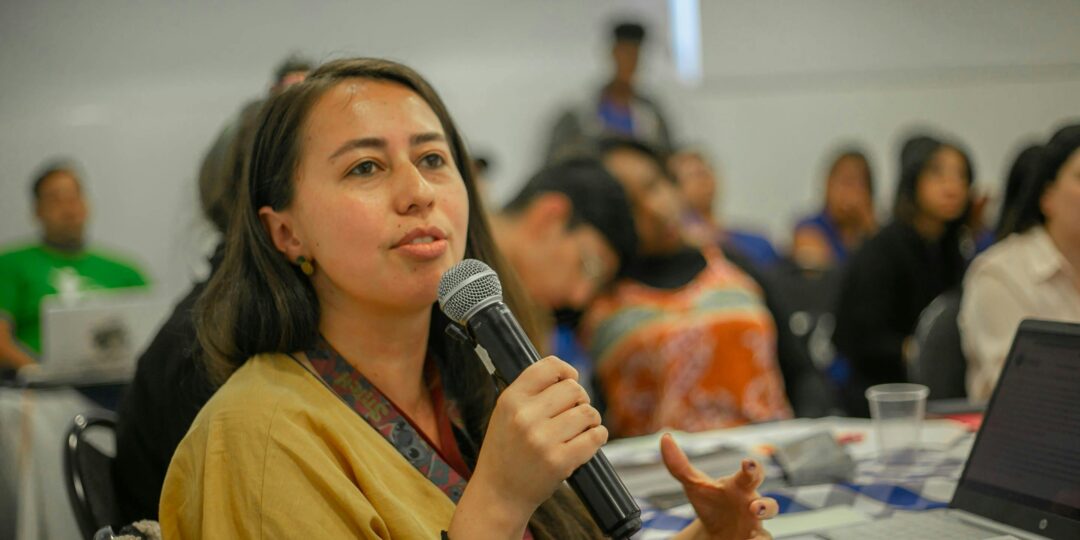
Networking is an essential skill for professionals looking to expand their opportunities, build meaningful relationships, and advance their careers. Seminars, conferences, and other professional events provide a unique platform to connect with industry experts, peers, and potential collaborators. However, effective networking requires strategy and preparation. This article explores actionable strategies to help seminar attendees maximize their networking potential and expand their professional circle.
The Importance of Networking at Seminars
Networking is more than exchanging business cards; it is about building authentic relationships that can lead to career opportunities, mentorships, collaborations, or even lifelong friendships. Here are some reasons why networking at seminars is crucial:
- Access to Industry Insights: Seminars often attract thought leaders who share valuable knowledge about trends and innovations.
- Career Advancement: Studies show that 85% of jobs are filled through networking.
- Collaboration Opportunities: Many successful partnerships begin with casual conversations at professional events.
Pre-Seminar Preparation
Effective networking starts before the seminar begins. Preparation ensures that you make the most of your time and maximize opportunities to connect with others.
1. Research Attendees and Speakers
- Use social media platforms like LinkedIn or Twitter to identify attendees and speakers.
- Engage with their posts or send a polite message expressing your interest in meeting them at the event.
2. Establish Pre-Event Connections
- Reach out to key contacts via email or social media. A simple introduction expressing your excitement about the seminar can make in-person interactions smoother.
- Look for common interests or topics to use as conversation starters.
3. Set Clear Goals
- Define what you want to achieve from networking—whether it’s finding a mentor, exploring job opportunities, or learning about industry trends.
- Plan your schedule around networking sessions and breaks to maximize interactions.
4. Prepare Conversation Starters
- Have a few icebreakers ready, such as asking about someone’s role or their thoughts on the seminar topic.
Networking Strategies During the Seminar
Once the seminar begins, it’s time to put your preparation into action. The following strategies will help you connect effectively with others:
1. Be Approachable
- Maintain open body language and a friendly demeanor.
- Avoid sticking exclusively with colleagues or existing connections; branch out to meet new people.
2. Leverage Event Apps
- Many seminars offer mobile apps that include attendee lists, schedules, and networking features. Use these tools to identify potential contacts and schedule meetings.
3. Engage in Conversations
- Focus on listening more than talking. Show genuine interest in what others have to say.
- Use names during conversations to make interactions more personal and memorable.
4. Take Advantage of Idle Time
- Use downtime between sessions or while waiting in lines as opportunities for casual conversations.
- A simple “What did you think of the last session?” can spark meaningful dialogue.
5. Attend Social Events
- Participate in mixers, dinners, or other informal gatherings organized as part of the seminar.
- Social events are often less formal and provide excellent opportunities for relaxed networking.
Post-Seminar Follow-Up
Networking doesn’t end when the seminar concludes; follow-up is essential for turning initial connections into lasting relationships.
1. Review Contacts
- Organize business cards or notes from conversations immediately after the event.
- Highlight key details about each person you met (e.g., shared interests or potential collaboration ideas).
2. Send Follow-Up Messages
- Reach out via email or LinkedIn within a few days after the seminar.
- Reference specific conversations or shared experiences to personalize your message.
3. Stay Connected
- Engage with your new connections regularly by commenting on their posts or sharing relevant articles.
- Consider scheduling coffee meetings or virtual calls for deeper discussions.
Overcoming Networking Challenges
Many attendees face challenges such as shyness, fear of rejection, or difficulty breaking into conversations. Here’s how to overcome common obstacles:
1. Boost Confidence
Start small by chatting with exhibitors or people sitting next to you during sessions. These interactions can help warm up your conversational skills.
2. Avoid the Buddy System
While it’s tempting to stick with familiar faces, branching out ensures you meet diverse contacts.
3. Learn from Mistakes
Networking blunders happen—even seasoned professionals make them. Don’t let minor slip-ups discourage you; instead, use them as learning experiences for future events.
Success Stories: The Power of Networking
Real-life examples highlight how effective networking at seminars can transform careers:
- A software engineer attending a tech convention met a recruiter who later offered them a dream job after one conversation.
- At a marketing summit, an entrepreneur pitched her idea during a casual chat with experts, leading to mentorship that propelled her business forward.
- A geographer attending his first conference overcame initial nervousness by shadowing an experienced colleague, resulting in valuable connections that opened doors within his field.
These stories underscore how one meaningful interaction can alter professional trajectories.
Tips from Networking Experts
Learning from successful networkers like Richard Branson and Sheryl Sandberg can inspire better strategies:
- Branson emphasizes building diverse networks that span industries and disciplines for broader opportunities.
- Sandberg advocates leveraging networks for mentorships and collaborations while supporting others along the way.
Their approaches demonstrate that effective networking involves both giving and receiving value.
Networking at seminars is a skill that requires preparation, engagement, and follow-up—but its benefits are undeniable. By researching attendees beforehand, actively participating during events, and maintaining connections afterward, you can significantly expand your professional circle.
Remember that networking is not just about advancing your own career; it’s also about contributing value to others’ lives through collaboration and shared knowledge. With deliberate effort and strategic planning, seminars can become transformative experiences that unlock new opportunities for growth and success.
So take the plunge—attend your next seminar armed with these strategies—and watch your professional network flourish!
Content generated by Perplex.ai