
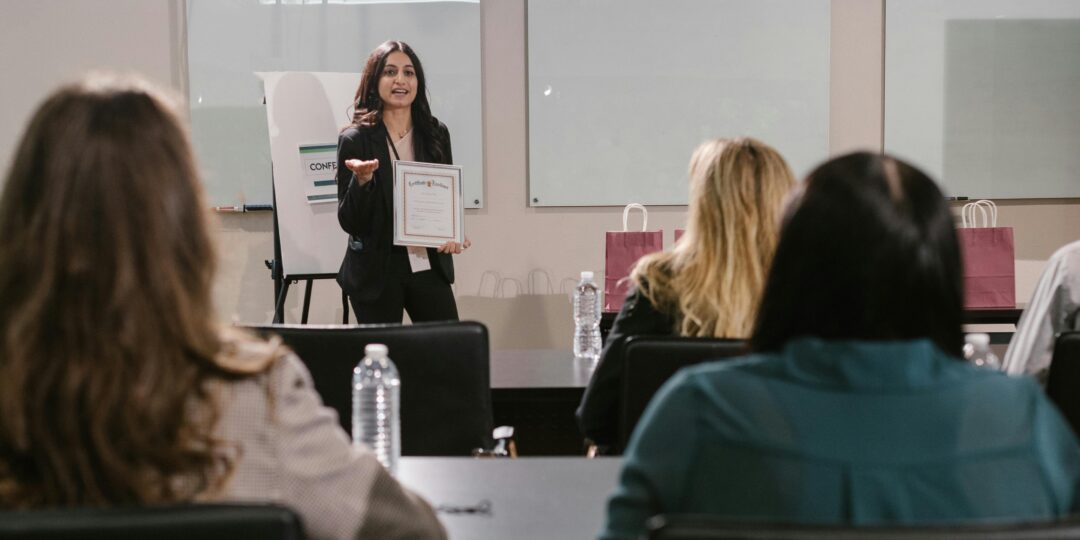
Personal development is a lifelong journey that focuses on enhancing self-awareness, knowledge, skills, and overall well-being. Seminars play a crucial role in this process by providing structured environments where individuals can learn, reflect, and grow. This guide explores the significance of seminars in personal development, the various types available, and practical steps to maximize their benefits.
The Importance of Personal Development
Personal development is essential for several reasons:
- Increased Self-Awareness: Engaging in personal development helps individuals understand their strengths and weaknesses. This self-awareness is critical for setting realistic goals and improving personal effectiveness.
- Enhanced Motivation: Achieving personal development goals boosts motivation and productivity. Setting and accomplishing small, manageable objectives can create a sense of progress that encourages further growth.
- Improved Relationships: Personal development often includes improving communication skills and emotional intelligence, which are vital for building strong personal and professional relationships.
- Greater Resilience: Developing coping strategies through personal growth can enhance resilience, enabling individuals to bounce back from setbacks more effectively.
Types of Personal Development Seminars
Seminars come in various formats, each designed to target specific areas of personal growth. Here are some common types:
- Leadership Seminars: These focus on developing leadership skills and personal effectiveness. Participants learn how to inspire others while also enhancing their own self-leadership capabilities.
- Emotional Intelligence Workshops: These sessions help participants understand their emotions and those of others, fostering better interpersonal relationships and communication skills.
- Stress Management Workshops: These seminars provide techniques for managing stress effectively, promoting a healthier work-life balance.
- Personal Branding Courses: Participants learn how to develop their unique value propositions in professional settings, enhancing their visibility and career prospects.
- Multi-Cultural Awareness Programs: These seminars aim to improve understanding of cultural diversity in the workplace, fostering inclusivity and collaboration among diverse teams.
How to Maximize the Benefits of Seminars
To get the most out of personal development seminars, consider the following steps:
- Identify Your Goals: Before attending a seminar, reflect on what you want to achieve. Are you looking to improve specific skills or gain insights into certain areas of your life? Clearly defined goals will help you select the right seminar.
- Choose Relevant Seminars: Research different seminars that align with your goals. Look for those led by experienced facilitators who have a proven track record in personal development.
- Engage Actively: During the seminar, participate actively by asking questions, sharing experiences, and networking with other attendees. Engaging with both the content and fellow participants enhances learning.
- Apply What You Learn: After the seminar, take time to implement the strategies or techniques discussed. Create an action plan that outlines how you will apply new insights in your daily life.
- Seek Feedback: Share your experiences with mentors or peers who can provide constructive feedback on your progress. This accountability can help reinforce your commitment to personal growth.
- Reflect Regularly: Take time to reflect on what you’ve learned from seminars and how it has impacted your life. Regular reflection can deepen your understanding and help you adjust your goals as needed.
Building a Personal Development Plan
Creating a structured personal development plan is essential for sustained growth. Here are key components:
- Assessment of Current Skills: Evaluate where you currently stand in terms of skills and competencies. Identify areas for improvement based on your reflections from seminars.
- Setting SMART Goals: Goals should be Specific, Measurable, Achievable, Relevant, and Time-bound (SMART). This framework ensures clarity and feasibility in your development journey.
- Action Steps: Outline specific actions you will take to achieve each goal. This could include attending additional seminars, enrolling in courses, or seeking mentorship.
- Regular Review: Schedule regular check-ins with yourself or a mentor to assess progress towards your goals. Adjust your plan as necessary based on these evaluations.
The Role of Coaches and Mentors
Working with coaches or mentors can significantly enhance your personal development journey. They provide guidance, support, and accountability as you navigate challenges and pursue your goals. A coach can help you identify blind spots in your development plan while offering tailored strategies to overcome obstacles.
Seminars serve as powerful catalysts for personal development by providing valuable insights, skills training, and networking opportunities. By actively engaging in these experiences and applying what you learn through structured planning and reflection, individuals can achieve significant growth in both their personal and professional lives. Embracing this journey not only enhances individual potential but also contributes positively to communities and organizations as a whole. Investing in personal development through seminars is not just about achieving success; it’s about becoming the best version of oneself.